CV
Summary
The philosopher John Rawls wrote that a just society should be planned as if behind a
"veil of ignorance" — no person chooses the circumstances of their birth, and so helping
those most in need should be the primary focus in the development of learning products.
Education is a key to a better life, and technology enables the measurement, adaptation,
and improvement of educational outcomes.
My product principles →
Expertise
Experience
Relentlessly improve the high school learner journey by removing friction, increasing scaled personalization, and aligning supports to ensure more learners graduate each year — mastering skills and confident in their next step. Triangulate data from front line staff, analytics, the LMS, and the market to identify and shepherd the highest impact work to improve the learning experience.
Led the strategy and development of Aspire, a professional learning product giving secondary teachers the essential knowledge of the science of reading they need to address the adolescent literacy crisis.
- Drove ongoing innovation and excellence in product delivery by sourcing, hiring, and managing top talent in the technical product management field.
- Accelerated a mission-critical product launch from 0–1, leading a cross-functional team to develop a new professional learning product for teachers and advancing it from proposal to pilot within 11 months.
- Secured an additional $5M investment in the new product for sales in year 2 by establishing OKRs and implementing a comprehensive research plan to drive continuous improvement efforts, resulting in a state-wide deal by the end of year 2.
- Served as the primary voice of the customer, building a research and data practice that surfaced market signals and drove roadmap decisions, resulting in a significant NPS increase from -5 to 33 for both users and buyers.
Received multiple promotions within 4 years (Associate PM → PM → Senior PM), with increasing portfolio size and responsibilities at each step. Led the development and full lifecycle management of B2B2C educational technology products, driving strategic initiatives to enhance user engagement and learning outcomes.
- Led cross-functional teams to develop STEM SaaS products serving 150,000+ students annually, generating more than $10M in annual revenue.
- Mitigated risk of product cannibalization following a $14M product launch by leading a nationwide customer engagement tour, resulting in a 70% user retention rate and growth in the new user base.
- Launched reusable multimodal mini-lessons across all math portfolios ($100M+ in products), unifying learning objectives and expanding user reach.
- Implemented the "living editions" model, resulting in a 90% cost reduction and sustained market share by prioritizing internal technology development over costly revisions of acquired print products.
- Expanded the user base of six online math courses by 24% year over year as an Associate Product Manager.
Managed the development of hybrid print/digital products in higher education mathematics, ensuring alignment with user needs and production timelines.
- Contributed to a task force that reduced production time by 30%, streamlining workflows and improving time-to-market for educational products.
- Conducted user testing on new features, synthesizing insights to refine product design and functionality.
- Led research webinars to recruit development partners, advisory board members, and beta testers.
Recognition
- Presenter, Distance Learning Administration Conference — Learning That Clicks: How Intentional Course Design Translates to Student Success at Scale · 2026
- Finalist, EdTech Digest Awards — Professional Development Solution and New Product categories · 2024
- Winner, Cengage Product Team of the Year for Innovation in Math Remediation · 2021
- Co-Presenter, Agile Games New England — Using Improv Comedy Games to Build Great Teams · 2017 & 2018
Projects
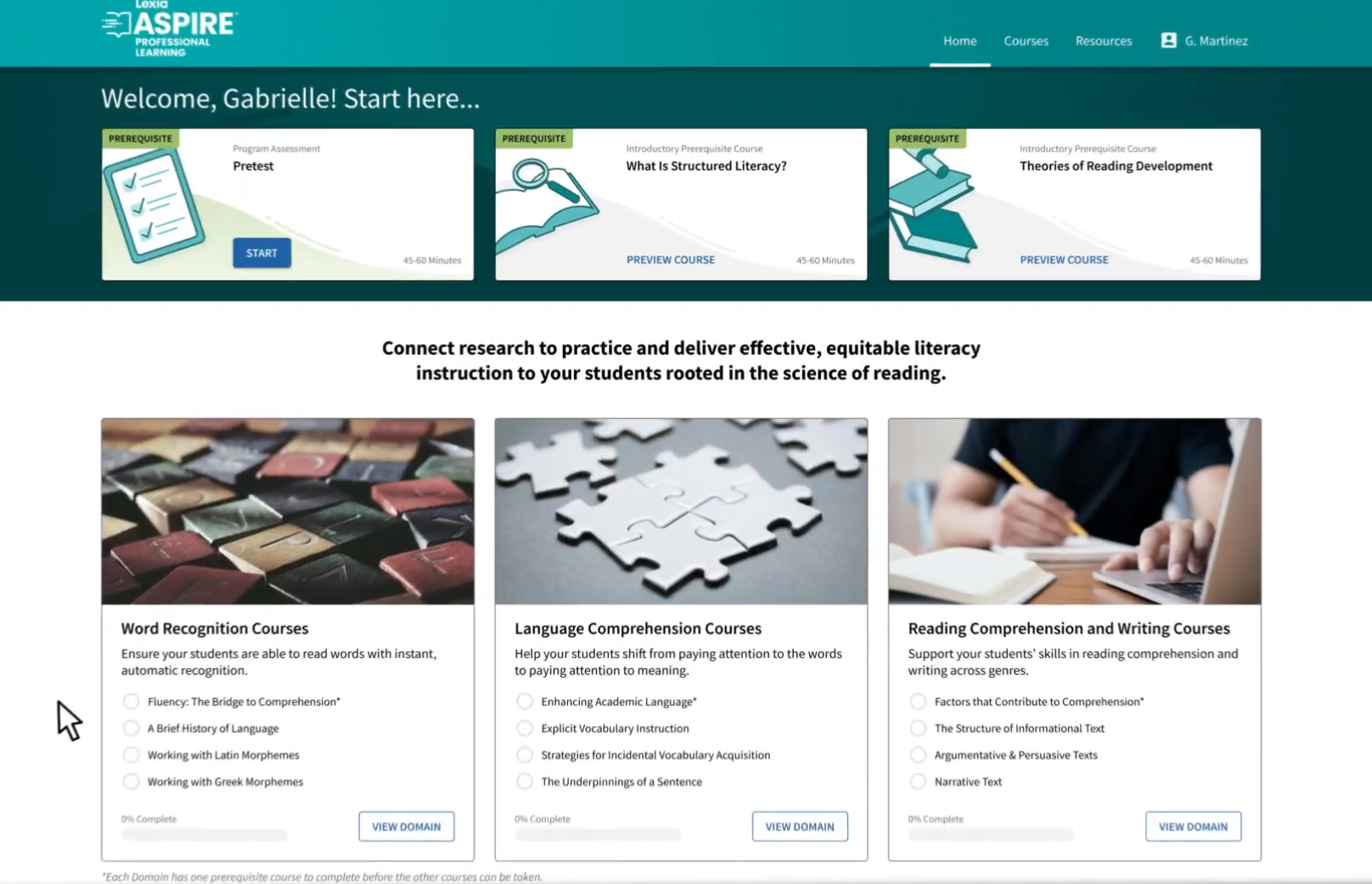
Three-quarters of students who aren't reading at grade level by the end of third grade won't ever catch up. One significant contributing factor is that secondary teachers receive little to no training in the science of reading. Aspire addresses this through asynchronous, bite-size, online learning that adapts to the needs of individual educators.
View product ↗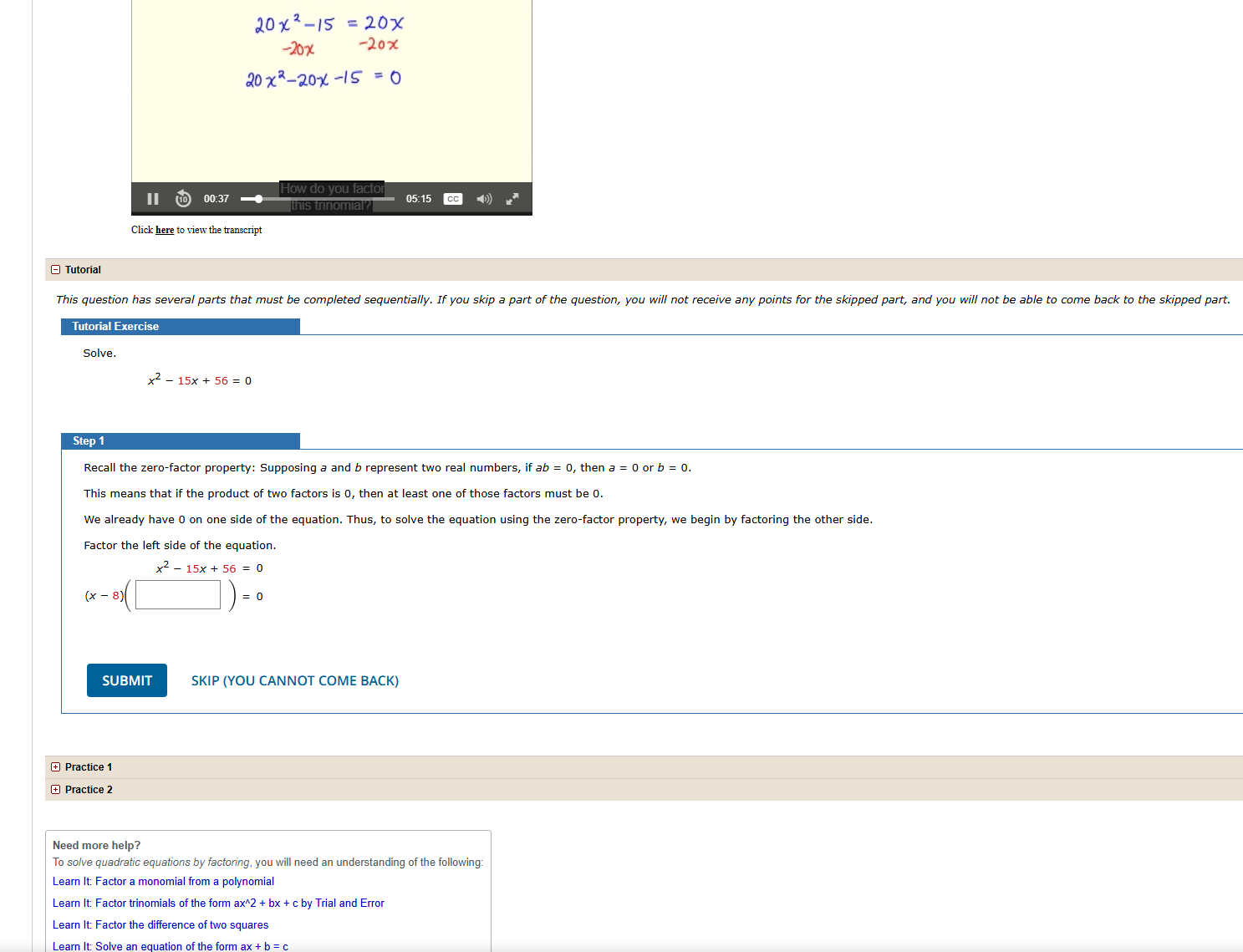
Most remediation in higher education online homework platforms helps students with the unique problems they face — which can improve homework grades without building conceptual understanding. Learn Its are mini-lessons created at the learning objective level rather than the question level, helping students connect concepts to prerequisite skills.
View product ↗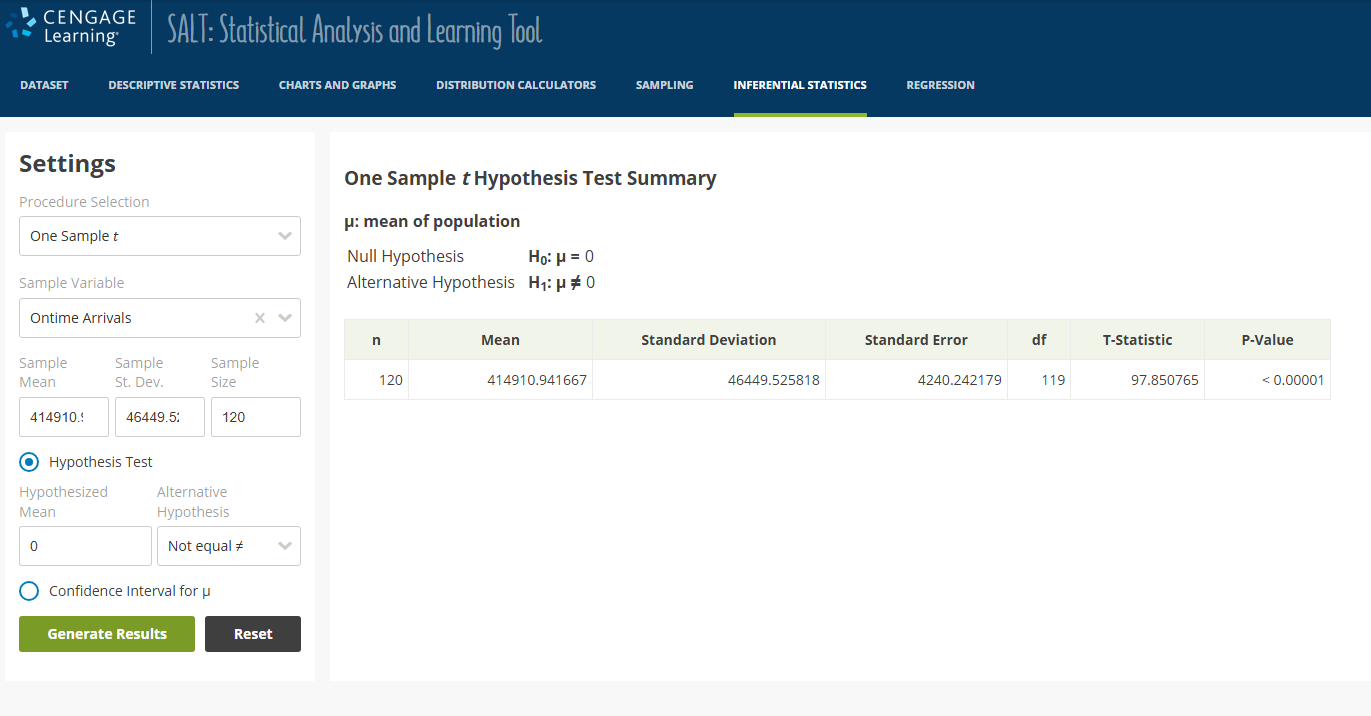
A statistics teacher once said: "If you have to calculate p-value by hand in a cave, you have bigger problems." SALT helps students think like statisticians by putting the data in front of the math — allowing them to explore statistical concepts without getting hung up on computation, and better preparing them for data analysis in the workforce.
View product ↗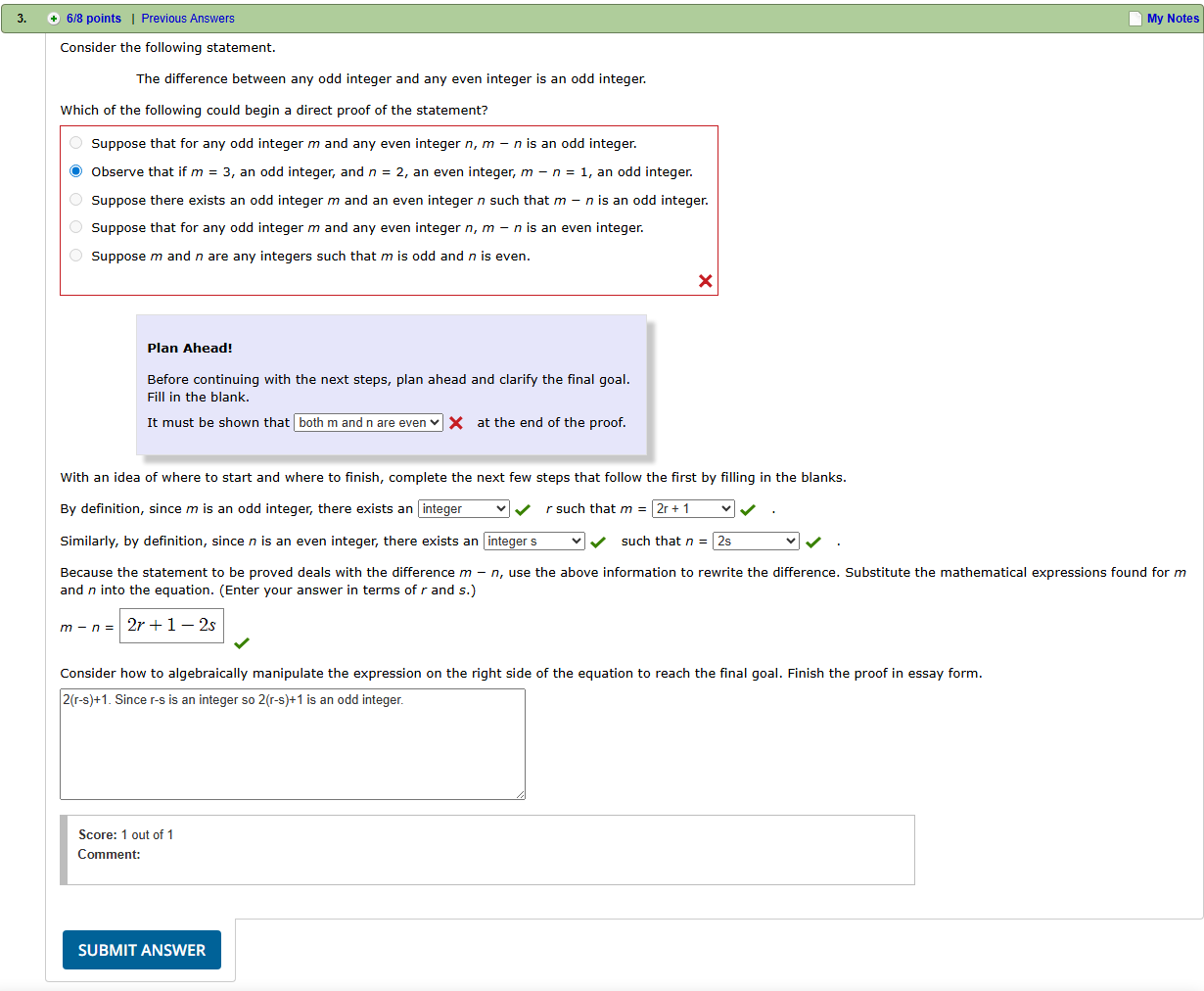
With current AI capabilities, automatically grading written logical proof is almost possible — but it was entirely impractical in 2018. Instead, the approach was to decompose each proof into component parts and build individual exercises, making grading more manageable for instructors while still giving students instant feedback.
View product ↗Education
Degrees
- B.S., Social Studies Education
Boston University - B.A., History
Boston University
Certifications
- Certified Scrum Master
Scrum Alliance